Introduction
Typica is one of the oldest and most influential Arabica coffee varieties in the world. In Indonesia, Typica holds a special place—not only as the genetic foundation of the country’s coffee history, but also as a variety prized for its clean cup profile, elegance, and sense of place. This article explores Indonesian Typica coffee through genetics, agronomy, and terroir, offering a data‑driven perspective for roasters, buyers, and coffee professionals.
What Is Typica Coffee?
Typica is a direct descendant of the original Coffea arabica plants from Ethiopia. It belongs to a group often described as “low‑yield, high‑quality” foundation cultivars. While modern hybrids emphasize productivity and disease resistance, Typica remains valued for cup clarity, sweetness, and complexity.
From a genetic standpoint, Typica is a pure‑line selection. Its relatively uniform genetic makeup allows it to reproduce true from seed, preserving cup characteristics across generations. However, this same genetic purity also makes Typica more vulnerable to diseases such as coffee leaf rust, which explains its gradual replacement by hybrids in many producing countries.
The Typica Bloodline in Indonesia
The story of Typica in Indonesia is inseparable from colonial history. Typica was introduced to Java in the late 17th century and became the backbone of what the world once knew simply as “Java Coffee.” From Java, Typica spread across the archipelago—Sumatra, Sulawesi, and Bali—slowly adapting to local microclimates.
Over centuries of isolation, Indonesian Typica developed subtle genetic distinctions compared to Latin American Typica. Often referred to locally as Java Typica or Bergandal, these populations are now considered an important genetic resource, preserved largely by smallholder farmers in highland regions.
Morphological Characteristics of Typica
Typica plants are visually distinctive and easy to recognize in the field:
- Plant stature: Tall and upright, potentially reaching 3.5–4 meters if left unpruned.
- Branching pattern: Primary branches grow at a gentle angle, forming a classic conical or “Christmas tree” shape that supports good airflow.
- Leaf traits: Young leaves display a bronze or copper color, while mature leaves are large, broad, and dark green.
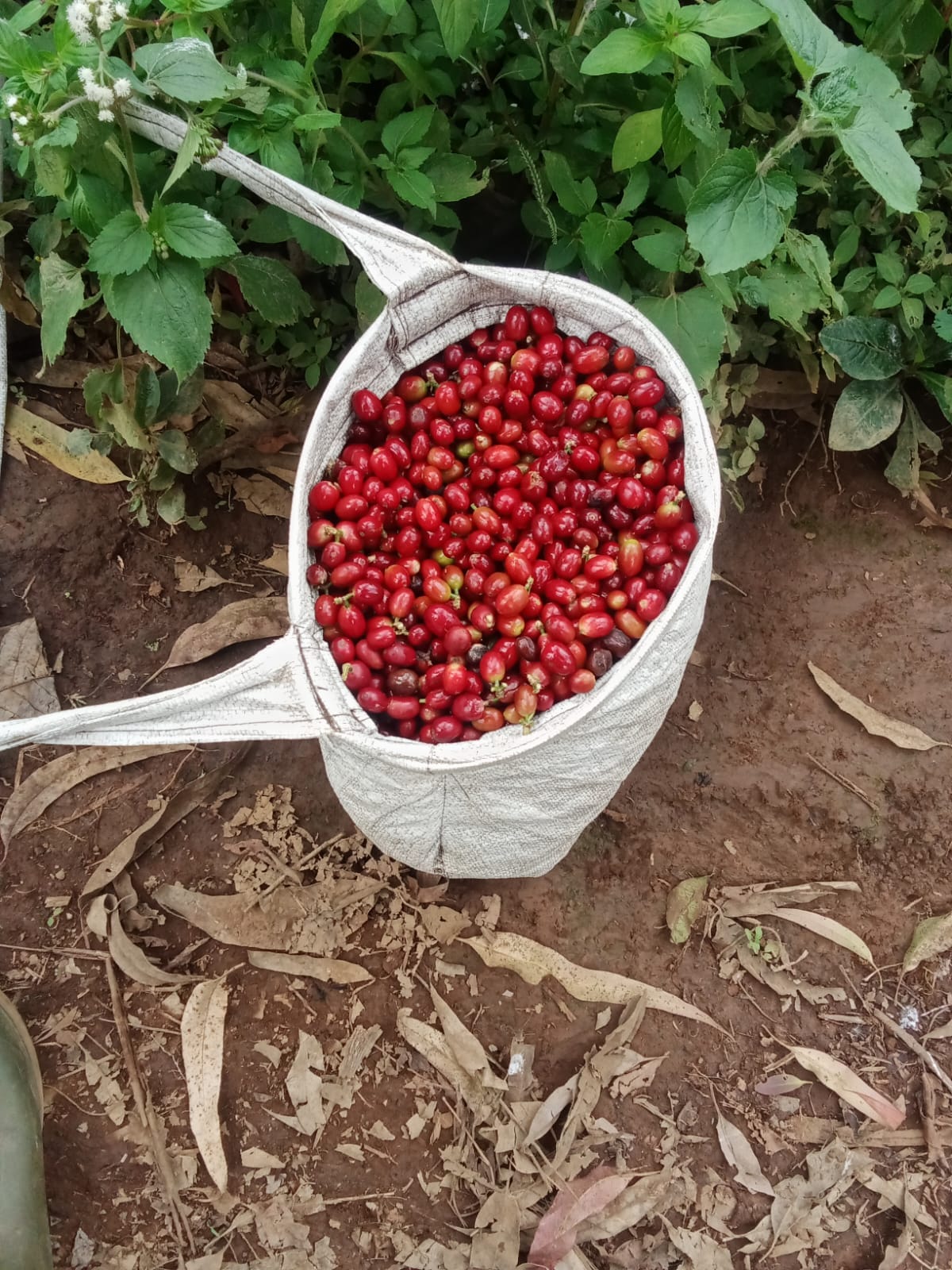
- Cherry shape: Elongated and relatively large, making them suitable for selective hand‑picking.
- Yield potential: Low to moderate, often economically challenging compared to modern hybrids, but justified by premium cup quality.
Ideal Soil Requirements for Typica Coffee
Typica performs best in fertile volcanic soils with excellent structure and drainage. Key soil parameters include:
- Soil type: Andosols and Latosols of volcanic origin
- Drainage: Deep and well‑drained soils exceeding one meter
- pH level: Slightly acidic (approximately 5.2–6.2)
- Organic matter: High levels, ideally above 3.5%
- Nitrogen: Relatively high availability
- Phosphorus: Medium to high concentration
- Potassium: High exchangeable potassium levels
These conditions support healthy vegetative growth, steady cherry development, and refined flavor expression.
Optimal Climate Conditions
Climate plays a critical role in expressing Typica’s cup potential. In Indonesia, ideal growing conditions generally include:
- Altitude: 1,200–1,800 meters above sea level
- Average temperature: 18–22°C
- Annual rainfall: 1,500–2,500 mm
- Dry season: A distinct 3–4 month dry period to support flowering and maturation
- Relative humidity: Approximately 70–80%
Key Indonesian Regions Producing Typica
Several Indonesian origins have proven particularly well‑suited for Typica cultivation:
Gayo Highlands, Aceh
High altitudes and fertile volcanic soils produce Typica coffees with syrupy body and layered complexity.
Lintong, North Sumatra
Known for its unique blue‑brown soils, Lintong Typica often displays spicy, cedar‑like notes and a clean, structured finish.
Kerinci, Jambi
Grown around Mount Kerinci, these Typicas are frequently floral, intensely sweet, and aromatic.
Kintamani, Bali
Intercropped with citrus trees, Balinese Typica is recognized for its bright acidity, citrus character, and lemongrass notes.
Ijen Plateau, East Java
As the historical heartland of Java coffee, Ijen produces classic Typica cups—clean, balanced, and refined with low acidity.
Toraja, South Sulawesi
Highland Typica from Toraja tends to show deep earthy tones, spice complexity, and a long, resonant finish.
Why Typica Still Matters Today
Despite lower yields and higher production risks, Typica remains relevant in today’s specialty coffee market. Its genetic purity, historical significance, and elegant cup profile make it attractive to roasters seeking differentiation and authenticity.
For producers and partners like Ontosoroh Coffee, preserving and supporting Typica cultivation is not only about quality—it is about safeguarding Indonesia’s coffee heritage while delivering distinctive, origin‑driven coffees to the global market.
Interested in sourcing Indonesian Typica or learning more about our farmer partnerships? Contact Ontosoroh Coffee to explore our current offerings and long‑term sourcing programs.